
Termite and carpenter ants are both common issues in Northern Virginia. Both types of bugs nest inside wood and are often attracted to houses. When they start attacking a house and boring through wooden building materials, they can do extensive damage. If a major infestation is left unchecked, the termites or ants can compromise the structural integrity of the house. The siding on a home’s exterior is the first line of defense against pest infestations, but it’s important that you choose the right type and that it is installed correctly and remains in good condition.
How Termites and Carpenter Ants Can Impact a Home
Many homeowners prefer the classic look of wood siding, but wood siding is obviously a bad choice in areas that are prone to termites and carpenter ants. Termites eat the cellulose in wood and bore pathways of tunnels through it as they move around and feed. Some species also build their nests within the wood, while others nest underground in areas where there’s wood nearby for them to feed on. Carpenter ants don’t eat wood, but they still bore large mazes of tunnels in it so that they can safely nest away from predators.
Wood siding makes a home extremely inviting to both bugs. While they start by attacking the siding, they’ll eventually start boring holes through the wooden wall sheets behind the siding. They can then access the house and bore into the wood studs, beams, sub-flooring, and door frames. This is the biggest concern due to the risk of them causing major structural damage. If there are pests living in wood siding, you may also need to worry about woodpeckers drilling holes through the siding in search of bugs to feed on.
Even if your house doesn’t have wood siding, there’s still a risk of pests getting behind the siding and damaging the structure of your home. This is especially the case if the siding wasn’t installed properly or is damaged.
The Role of Siding in Preventing Pest Infestations
Siding essentially creates a shield that prevents pests from being able to reach any of the home’s wooden building materials. However, pests can potentially still gain access if there are any gaps in the siding or missing pieces.
Siding also creates a moisture-resistant barrier that prevents water from seeping into the walls. Not only is this crucial for avoiding issues with wood rot and structural damage, but it’s also hugely important for termite prevention. Some types of termites prefer to nest in dry wood, but others are drawn to moist, rotting wood.
Which Types of Siding Are Best at Deterring Pests?
Generally speaking, any type of siding that doesn’t contain cellulose should help prevent termite and carpenter ant infestations. This includes vinyl, fiber cement, PVC and aluminum siding. Some types of composite siding are also safe, but many of them are a mix of wood particles and synthetic materials. Termites are less likely to attack composite wood siding compared to natural wood, but they can still be attracted to it if the siding is damaged or consistently damp.
In terms of preventing pest issues, fiber cement siding offers the highest level of protection. The cement boards are extremely durable and highly resistant to damage and rotting. All of these factors mean that there’s a much lower chance of the siding developing issues that create potential entry points for pests. When installing the siding, caulk is used to fill the gaps at the vertical butt joints where the boards meet and along the edges where the boards meet the trim. This ensures water can’t seep behind the siding and that there aren’t any spaces where pests can access the house. Another advantage of fiber cement board is that it’s fully fire-resistant, unlike vinyl and PVC siding. It also typically has the longest life expectancy of any type of siding.
Fiber cement siding is available in a huge range of colors and styles. There are even options that are designed to almost perfectly mimic the appearance of different types of natural wood siding. This makes fiber cement an ideal choice for homeowners who prefer the look and feel of wood siding but don’t want to have to worry about termite and ant issues or constantly needing to have their house treated to keep pests away.
Vinyl siding is the most commonly used, offering a great combination of a durable and cost-effective material. While vinyl siding isn’t as strong as fiber cement and usually doesn’t last quite as long, it’s still fairly resistant to damage and moisture issues. This makes it an ideal choice for areas that are prone to pest issues. Vinyl siding also helps improve the energy efficiency of a home, as it is usually installed with a foam backing that provides additional insulation.
With vinyl siding, you have even more color and style options than you do with fiber cement. One reason why vinyl continues to be the most popular option is that it’s extremely low-maintenance. The only thing you really have to do to keep it looking nice is occasionally spray it with a pressure washer to rinse away any dirt and grime. The siding has a UV-resistant coating that prevents fading, meaning you should never need to worry about repainting it like you sometimes do with aluminum and steel siding. However, vinyl siding can easily be painted if you want to change the color of your house. You just need to first make sure it’s fully clean and then use the appropriate type of exterior paint.
The Importance of Quality Siding Installation and Prompt Repairs
When it comes to siding installation, it’s essential that you hire an experienced professional. Improper installation increases the chances of moisture issues and wood rot. You can also end up with gaps that allow moisture and pests to get behind the siding. Trained professionals always focus on a seamless installation, ensuring the panels fit securely to prevent any issues with moisture and pests.
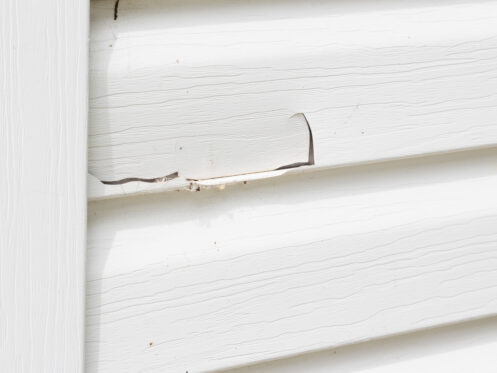
Regularly inspecting your siding for any type of damage, especially after major storms, is also important for avoiding potential pest issues. Issues like loose or missing sheets and cracks or holes in the siding should be addressed immediately to restore the pest- and moisture-resistant barrier on the exterior of the house.
Since 2010, Beyond Exteriors has been providing dependable siding services throughout Northern Virginia. We work with a wide range of siding materials from industry-leading brands. Whether you’re looking to install fiber cement, vinyl, PVC/composite, aluminum or natural wood siding, we have numerous options to match any color and architectural style. When installing siding, we always wrap the walls with a vapor barrier to guarantee that moisture never penetrates the walls. We take pride in providing unmatched results and ensuring our customers are 100% satisfied, which is evidenced by our A+ rating from the BBB.
If you’re not sure which type of siding is best for your home or have any issues with your Virginia home’s exterior, give us a call to get the expert service and advice you need.